




Region decreases production to compensate for oversupply
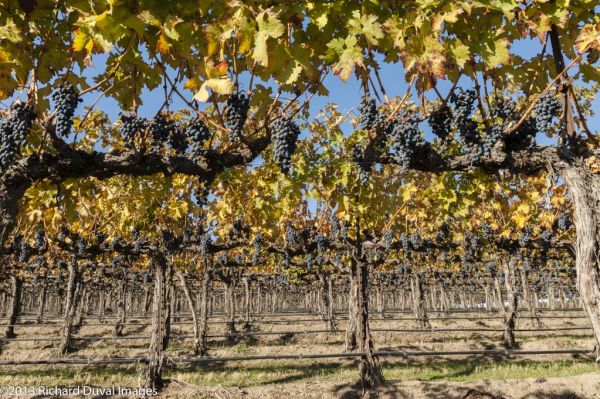
In recent months, Washington and Oregon have issued separate reports that snapshot the state of their respective wine industries. While the reports look at somewhat different aspects, they paint a similar picture of a reset underway.
Looking at Washington numbers
Please login below to see full content or Subscribe Now to get immediate, full access to our ratings and reviews, review database, featured articles, and other subscriber-only content.
Image by Richard Duval.



Wow! Any thoughts on what the stable demand might look like for Washington Wine?
It’s also interesting to look at it from the perspective that not only is demand shrinking but the cost to produce seems to be increasing as well due to inflation, increased cost of labor, etc.
Brian, that’s the many million dollar question. That’s true for both Ste. Michelle Wine Estates and for the state’s legion of small producers. It’s something everyone is trying to grapple with right now in one way or another.
I should add that some local wineries are growing production and entering new markets. There are always companies going against larger trends and being successful in challenging environments.
How do you think this will affect consumers? Reduced supply often leads to higher prices. Some of my longtime favorite WA and OR wineries have already priced themselves out of my budget.
Keith, I think it cuts in a variety of ways. On the one hand, there’s an enormous amount of wine available at a steep discount. On the other, costs have gone up markedly, so a lot of wineries need to pass that on. That creates a very difficult playing field for small wineries: full-priced, more expensive wines competing against heavily discounted wines that are often made in high volume. There is certainly opportunity for consumers to access wines they wouldn’t be able to previously and, in many cases, at discounts.